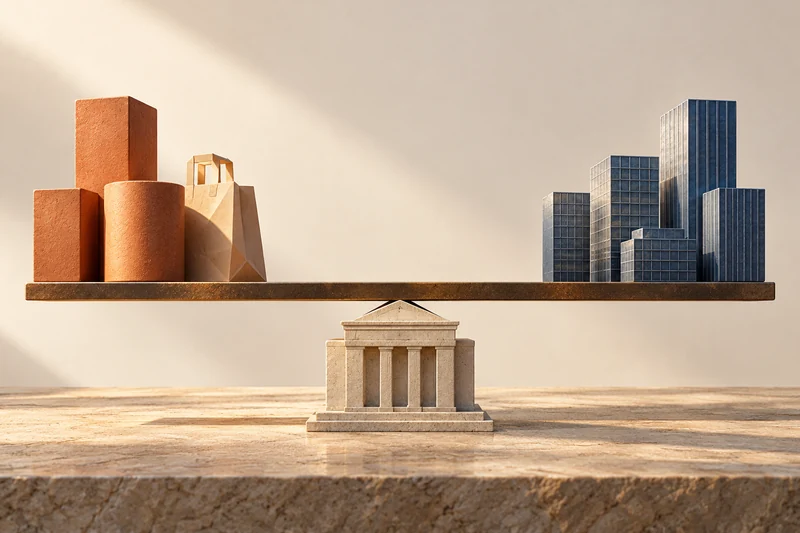
President Trump Signs OBBB Bill… What Does It Mean for the U.S. Economy?
Hello, I’m Thomas Park. On July 4, Independence Day, President Trump signed a major piece of legislation at the White House that could reshape the future of the U.S. economy. He called the bill “a really good bill,” expressing strong confidence in it. Known as the OBBB (One Business, Big Breakthrough) bill, it includes incentives for regulatory relief, tax cuts, and industrial restructuring, and is expected to have a significant impact on the U.S. economy and Korean American businesses.
In this column, I’ll take a close look at the bill’s key provisions, its economic implications, and strategies the Korean American community should prepare.
✅ *What’s in the OBBB bill?
The OBBB (One Business, Big Breakthrough) is one of the Trump administration’s core economic pledges. It rests on three pillars:
1. Expanded tax benefits for small businesses
* Lower income tax rates for sole proprietors and S corporations
* Simplified taxes and deferred payment options for small businesses below a certain revenue threshold
* Higher deduction limits for startup costs
2. Incentives for manufacturing reshoring
* Corporate tax incentives for companies that establish manufacturing facilities in the United States
* Government support for up to 25% of relocation costs when companies move production facilities from overseas to the United States
3. Regional economic revitalization program
* Designation of OBBB zones in struggling urban and rural areas, with tax breaks and priority infrastructure investment
* Additional employment tax credits for hiring local residents
Impact on the U.S. Economy: Short-Term Boost vs. Long-Term Structural Change
▪ Short-term effects
* More business investment Tax cuts and incentives are expected to spur new business and capital investment. Growth could accelerate, especially among small and midsize manufacturers and technology startups.
* Labor market expansion: Reshoring and regional economic support could create more jobs and energize the labor market.
▪ Medium- and long-term risks
* Greater fiscal pressure Tax cuts and expanded subsidies may stimulate the economy in the short term, but a larger budget deficit will be inevitable.
* Potential inflationary pressure Regional investment, rising infrastructure demand, and employment growth could push up wages and prices, putting pressure on Federal Reserve interest rate policy.
* Global supply chain restructuring Reshoring means reorganizing supply chains around the United States, giving foreign companies a new challenge: moving production to the U.S.
*Impact on Korean American businesses and strategic responses
1. Korean American small businesses may benefit from tax cuts
Expanded tax benefits for small businesses could reduce the tax burden on Korean American-owned retail and wholesale businesses, restaurants, and beauty supply stores. However, to realize the full benefits, they will need proactive tax planning and legal advice.
2. Korean American manufacturers can seize reshoring opportunities
Korean American manufacturers planning to establish or expand U.S. factories can use this policy to access federal and state government support. If they can produce locally, “Made in USA” marketing can also make it easier to enter the local market.
3. Young entrepreneurs and technology startups
The Trump administration is also seeking to expand investment tax credits for technology startups. To help second-generation Korean American young people take advantage of this trend, the community should strengthen its role in **startup networks and accelerators**.
Conclusion: New Opportunities Go to Those Who Are Prepared
The OBBB bill can be seen as more than a simple economic stimulus measure—it signals a **reset of the U.S. industrial structure**. Rather than simply watching these developments, the Korean American community should proactively build a response system that moves from *“understanding policy → setting strategy → taking action.”
From sole proprietors to startups and manufacturers, everyone is now on a “new playing field.”
To survive and thrive in this new landscape, timely information gathering and coordinated action are essential.
I’ll continue sharing firsthand perspectives from the field and offering insights to support your economic decisions.
See you in my next column.
Questions about this story?
AI answers only from this article and related ones.
Answered from ten years of our reporting. Check legal and tax questions with a professional.