Thomas Park’s U.S. Economic Insights: The Fed Under Kevin Warsh—Where Is the U.S. Economy Headed?
Hello, I’m Thomas Park. As of late April 2026, the Federal Reserve (Fed) has held its benchmark interest rate at 3.50–3.75% for a third consecutive meeting of the Federal Open Market Committee (FOMC). The arrival of Kevin Warsh, newly nominated to serve as Fed chair, is also ushering in a new phase for the U.S. economy. In this column, I’ll look at where the U.S. economy may be headed under the “Warsh era.”
The Fed Holds Rates Steady, Sending a Message to Markets
The Fed sent a clear signal with its latest decision: “Inflation isn’t over yet.”
Recent signs point to slowing consumer spending and weaker business investment, but energy prices and service-sector inflation remain elevated. Wage growth has also held up better than expected, leading the Fed to conclude that cutting rates too soon could reignite inflation.
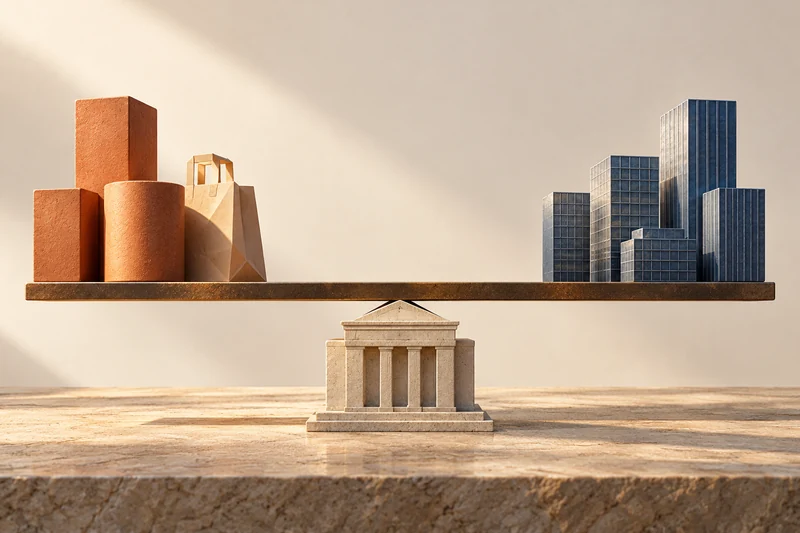
In other words, the U.S. economy has entered a difficult balancing act: preventing a recession while bringing inflation under control.
The Warsh Era: What Changes Can We Expect?
Since his time as a Fed governor, Kevin Warsh has generally been viewed as hawkish. He prioritizes financial market stability and confidence in the dollar, and tends to favor long-term price stability and financial order over short-term economic stimulus.
Markets are watching for possible changes under Warsh, including:
- Slower rate cuts
- Tighter efforts to curb financial market overheating
- A preference for policies that support a strong dollar
- Greater vigilance against asset bubbles
This suggests the U.S. economy may focus less on rapid short-term growth and more on maintaining stability, even at a slower pace.
U.S. Economic Outlook for 2026: The Prospect of “Stable, Low Growth”
The U.S. economy is not on the brink of recession, but it is no longer growing as strongly as it did in the past.
Prolonged high interest rates could have several significant effects:
1. Continued slowdown in consumer spending
High credit card rates and mortgage costs could gradually weigh on middle-class spending.
2. Greater pressure on real estate markets
High borrowing costs could reduce transactions in commercial and residential real estate.
3. More volatility in technology-heavy markets
As the liquidity-driven markets of the low-rate era lose momentum, growth and technology stocks could become more volatile.
There are also some positive factors:
- Expansion of U.S. manufacturing reshoring
- Increased investment in AI and semiconductors
- Global capital inflows supported by a strong dollar
Together, these trends may help the U.S. economy avoid a sharp downturn and sustain a “slow but resilient” structure.
The Key Variables: Inflation and Energy
Two factors will be the biggest influences on the U.S. economy going forward:
- Whether inflation truly stabilizes
- Whether oil prices and geopolitical risks rise again
If Middle East tensions or energy prices rise again, the Fed under Warsh is likely to prioritize curbing inflation over cutting rates. That could further slow the recovery.
Conclusion: The U.S. Economy Is Moving Toward “Controlled Stability,” Not “Strong Growth”
Rather than injecting large amounts of market-friendly liquidity as in the past, the Fed under Kevin Warsh is likely to prioritize the dollar’s value and financial stability.
As a result, the U.S. economy in 2026 is expected to look more like “controlled stability and sustained low growth” than “explosive growth.”
Businesses and investors, too, need to move beyond strategies built for the low-rate era and focus on cash flow management and real returns.
I’ll continue sharing insights from the front lines to help inform your economic decisions. See you in my next column.
Questions about this story?
AI answers only from this article and related ones.
Answered from ten years of our reporting. Check legal and tax questions with a professional.