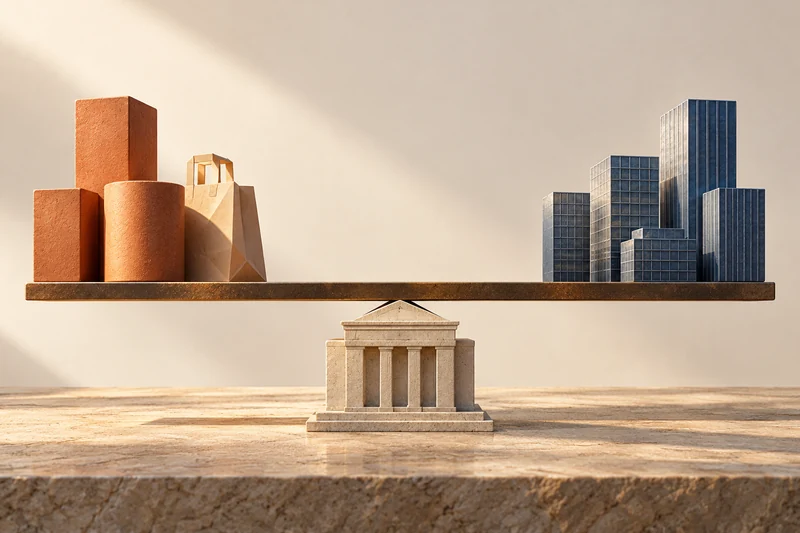
Why Is the U.S. Reasserting the Dollar’s Dominance Now?
What Gold’s Steep Drop Reveals About the Next Chapter in the U.S. Economy
Hello, readers. In my previous column, titled “Rates Fell, but the Direction Changed: The U.S. Economy Next Year—The End of Easing and the Start of Tension,” I noted that while the United States may appear to be maintaining an accommodative stance, the underlying direction of policy has already shifted.
This column builds on that argument. The sharp correction in gold prices recently is the first sign that the “change in direction” discussed in my previous column is beginning to play out in the markets. Gold’s steep decline is not simply an asset-price correction; it is closer to a deliberate financial message from the United States about its choice to preserve the dollar’s dominance.
1. Rates Fell, but the U.S. Stance on the Dollar Changed
As I emphasized in my previous column, the United States has already entered a rate-cutting cycle. But rate cuts did not mean a return to easing. Rather, they were a pragmatic compromise: minimizing the side effects of keeping rates high while preserving confidence in the dollar at all costs.
That is what makes the recent plunge in gold prices significant. It signals through the asset markets a determination to lower rates while drawing a clear line against efforts to replace the dollar. For the United States, the dollar is not just a currency; it is a pillar of the system. If confidence in the dollar falters, the Treasury market and the entire fiscal structure are bound to come under pressure at the same time.
2. A “Change in Direction” Is Proved Through Words and Appointments
The United States has always changed its signals before changing its policies. When remarks tolerating a weaker dollar unsettled markets, the administration and Treasury officials quickly revised their message. They also put forward an appointment that markets were bound to watch closely, turning the “change in direction” from a declaration into action.
That move was the nomination of Kevin Warsh as Federal Reserve chair. By putting forward someone extremely cautious about monetary easing and firmly opposed to inflation and asset bubbles, the administration effectively posed the following question to markets that had been shifting toward alternative assets such as gold:
“Rates have come down, but do you really think the tension is over?”
The plunge in gold prices was the market’s immediate response to that question. Just as the psychological relief offered by the word “easing” took hold, the United States once again activated a mechanism to reaffirm the “dollar order.”
3. The Limits Imposed by $38 Trillion in Debt
But, as I noted in my previous column, the United States has few options. National debt has already reached $38 trillion (about 50 quadrillion won), and raising rates again to defend the dollar would be difficult to sustain for long given the burden of interest payments on Treasury debt.
As a result, the United States has entered an extraordinarily difficult phase: rates must come down, but market sentiment must remain tight—in other words, policy must look accommodative while keeping tensions elevated. Rather than resolving the underlying structural problems, the recent drop in gold prices is more realistically seen as a strategy to buy time and delay the cracks from widening.
4. Assets Have Clearly Entered the Political Arena
Gold, the dollar, and Treasuries are no longer neutral financial assets. Gold is an option for countries seeking to reduce their reliance on the dollar; the dollar is a strategic asset for the United States; and Treasuries are a measure of confidence in the U.S. The “end of easing and start of tension” I discussed in my previous column is becoming reality here, and the correction in gold prices is only the opening scene.
Conclusion: The Direction Has Already Changed
Readers, rates have come down, but the direction has clearly changed. And the recent plunge in gold prices is a signal that this shift has moved from words to action.
The United States still sits on the dollar’s throne. But maintaining that position now requires constant management and sacrifice. The key variable for the global economy going forward will not be the price of gold, but how long the United States can keep this tension under control. In my next column, I will continue to follow this trend and analyze the United States’ next options.
Questions about this story?
AI answers only from this article and related ones.
Answered from ten years of our reporting. Check legal and tax questions with a professional.