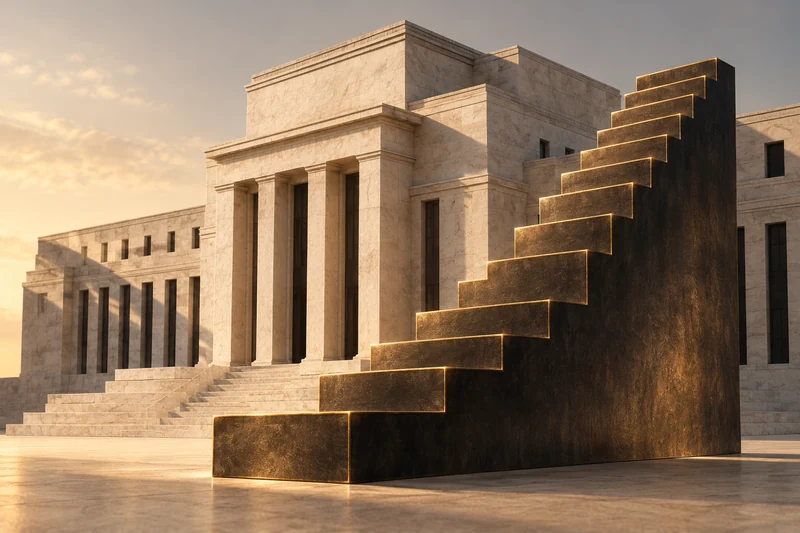
The Iran War Shock and the U.S. Economy
Greetings, readers.
Over the past few weeks, rapidly shifting conditions in the Middle East have sent global energy markets into turmoil. Renewed U.S. and Israeli airstrikes on Iranian territory, the effective closure of the Strait of Hormuz, and oil prices breaking above $100 a barrel and surging to $110–$119 signal more than just geopolitical tension. Discussions of releasing strategic reserves have brought some relief, but prices remain elevated at around $100, casting a deep shadow over the U.S. economy.
In this column, I’ll take a measured look at how this “Iran war shock” is affecting U.S. consumers, businesses, and Federal Reserve policy—and what kind of environment the U.S. economy may face next year.
1. The Real-Economy Impact Has Already Begun
U.S. consumers are feeling the effects first and most directly. Gasoline has risen above $3.48 a gallon, climbing nearly 50 cents in a week, while diesel has reached around $4.66. Rising trucking, airfare, and food-distribution costs are intensifying pressure on household budgets. Businesses, too, are seeing margins shrink sharply as raw-material and logistics costs soar. Airlines, transportation companies, and manufacturers in particular face a growing risk of falling into the red if they cannot pass on higher costs.
According to a longstanding IMF rule of thumb, a 10% increase in oil prices reduces global GDP growth by 0.15 percentage points and raises inflation by 0.4 percentage points. The current surge—oil prices up more than 30–40% from before the war—has already brought the U.S. economy to the brink of stagflation.
2. The Fed’s Options Have Narrowed Dramatically
Just a few months ago, the Federal Reserve (Fed) was adjusting the pace of rate cuts as it pursued a soft landing amid stable inflation and slowing growth. Now it is playing an entirely different game.
If the oil shock persists—with forecasts suggesting prices could reach $150 a barrel if the Strait of Hormuz remains closed for months, and even $200 in an extreme scenario—the Fed will be caught in a “policy trap,” unable to move between inflation and recession.
What if it raises rates again to curb inflation? With national debt at $38 trillion, annual Treasury interest costs would surge by trillions of dollars. Interest spending already exceeds defense spending, making further tightening almost politically and fiscally impossible.
What if it cuts rates further? With the oil shock reigniting inflation expectations, additional easing could be seen as a signal that the Fed is willing to tolerate inflation, undermining confidence in the dollar.
Ultimately, the Fed has little choice but to “wait and hold on.” Markets have already noticed. Expectations for rate cuts have retreated sharply, long-term Treasury yields are showing signs of rebounding, and the dollar remains strong as geopolitical uncertainty drives demand for safe-haven assets.
3. Three Plausible Scenarios for the U.S. Economy Next Year
Because this shock is unlikely to be a short-lived event, next year’s U.S. economy can be viewed through three scenarios.
- ① Short-term shock followed by stabilization: If the Strait of Hormuz reopens and the G7’s release of strategic reserves proves effective, oil prices settle at $80–$90 a barrel. The Fed returns to gradual easing, keeping a soft landing within reach.
- ② Risk of prolonged stagflation: If the blockade drags on and oil prices become entrenched at $120–$150, inflation will reignite even as growth slows. The Fed could become “paralyzed,” unable to raise or cut rates.
- ③ Geopolitical escalation: If the war expands or Iran launches further retaliation, there will be no ceiling on oil prices, and the risk of a global supply-chain breakdown will grow. The U.S. economy could face hardships similar to those of the 1970s oil shocks.
4. The U.S. Economy’s Fundamental Dilemma—and How Investors and Businesses Should Respond
This Iran war appears to be more than a geopolitical event; it is part of the price the U.S. is paying to maintain its global dominance at high cost. The structural reality is that the U.S. deploys military power in the Middle East to protect the dollar’s standing, while absorbing the resulting surge in oil prices and inflationary pressure.
The Trump administration (or the current administration) may emphasize energy independence and push to expand shale oil production, but that will do little to offset a short-term supply shock. Given the shale industry’s high costs, prices falling below $70–$80 a barrel could once again threaten its profitability.
For investors and businesses, “defense” has become essential to survival. Rather than relying on near-term rate expectations, they urgently need strategies that strengthen balance sheets and cash flow and increase the share of high-quality assets.
Conclusion
The Iran war and soaring oil prices are not just a temporary shock; they signal a fundamental turning point for the U.S. economy—the end of easy easing and the beginning of a more uncertain era. The Fed is no longer the central player in an era of unconditional market support. It now bears the heavy responsibility of managing and containing markets amid uncertainty. The cost of maintaining the dollar’s dominance is growing, and U.S. households and businesses—and the global economy as a whole—will ultimately share that burden.
Yet even in a crisis, opportunities remain. This period is exposing the U.S. economy’s vulnerabilities while also serving as a final warning to strengthen financial resilience and build structural competitiveness. I sincerely hope it helps you sharpen your perspective amid complex and unsettled economic conditions and make sound decisions with the long term in mind. True survival and prosperity begin with weathering short-term shocks.
The next three to six months will be decisive. The ceiling on oil prices will depend on the fate of the Strait of Hormuz, the international response, and the success of behind-the-scenes negotiations. Whatever path unfolds, the U.S. economy has entered a new reality with no easy choices. Only those who face that reality and prepare for it will gain an advantage in the next phase.
I look forward to returning with a deeper analysis in my next column.
Questions about this story?
AI answers only from this article and related ones.
Answered from ten years of our reporting. Check legal and tax questions with a professional.