Samsung Electronics, Google, and Qualcomm held the “XR Unlocked” event for developers at Google’s New York campus on the 12th, introducing the Android XR platform and “Project Moohan,” the first device to run it.
XR (extended reality) lets users draw on multiple senses—including sight, hearing, and movement—to move between the physical world and virtual environments and create new experiences. It is expected to transform everyday life across work, learning, entertainment, gaming, and health care, breaking through physical limitations.
Unveiled at the event, Android XR is a platform jointly developed by Samsung Electronics, Google, and Qualcomm through open collaboration. Powered by multimodal AI, it enables users to interact with their surroundings and virtual environments through multiple senses.
In particular, Google Gemini is expected to let users explore new information through natural conversation and act as an AI agent that provides tailored responses based on its understanding of the user’s situation and context.
Android XR has strengthened its extensibility through open collaboration with the existing Android, OpenXR, VR, and mobile AR communities. Building on this foundation, the companies plan to expand the platform by bringing in apps, services, and content from Samsung Electronics, Google, and a range of third parties.
The platform is also designed for use across a range of form factors, including headsets and glasses, and will support devices suited to different XR use cases and purposes.
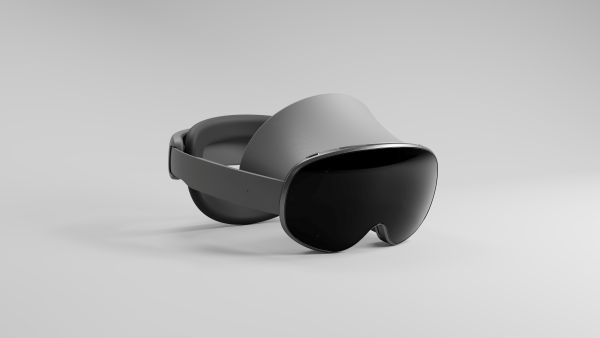
Code-named “Project Moohan,” the first headset to use Android XR is scheduled to launch in 2025. Its name, meaning “infinity,” reflects the goal of delivering immersive experiences that transcend physical limits.
Choi Won-joon, executive vice president and head of the Development Office at Samsung Electronics’ MX Business, spoke at the event. “XR will open up a completely new dimension by allowing people to move between the physical world and virtual environments and interact with technology without physical constraints,” he said. “The combination of cutting-edge XR technology and multimodal AI that understands context has created the ideal conditions for innovation in new form factors.”
He added, “The Android XR platform offers outstanding extensibility and can be applied to a variety of form factors. Its constantly expanding ecosystem and broad range of content will give users richer experiences.”
Kim Ki-hwan, vice president of Samsung Electronics’ Immersive Solution Development Team, also took the stage to outline three core values of the Android XR platform.
“We focused on three core values to build a platform that can make a meaningful difference in everyday life,” Kim said. “We set out to deliver an immersive viewing experience through limitless visual content, natural interaction using sight, sound, and movement, and a platform built through open collaboration with the existing Android, OpenXR, VR, and mobile AR communities.”
He added, “The first device we will introduce for the Android XR platform is the Project Moohan headset. It is designed to deliver an unparalleled experience through cutting-edge technology in the most comfortable and ergonomic design possible.”
Meanwhile, Sameer Samat, Google’s president of the Android ecosystem, opened the event with a keynote and outlined Google’s vision for XR. Shahram Izadi, Google’s vice president of AR, discussed headset and glasses development and future plans.
Ziad Asghar, Qualcomm’s senior vice president of XR and spatial computing, also took the stage and explained that the company developed the Snapdragon XR2 Plus Gen 2 for Project Moohan.
Other partners, including Unity, Google’s game development engine, and 30 Ninjas, a studio for immersive digital and interactive content, also spoke at the event, calling on developers to help expand and advance the XR ecosystem.
Questions about this story?
AI answers only from this article and related ones.
Answered from ten years of our reporting. Check legal and tax questions with a professional.